DXRacer Martian Reviews: See Why 0 Shoppers Rated It 0 Stars!
Does the DXRacer Martian ergonomic chair boost productivity or just eat desk space? Hear what 0 real buyers have said before clicking “buy”.
 Supermod
 Moderator
 Recaptor
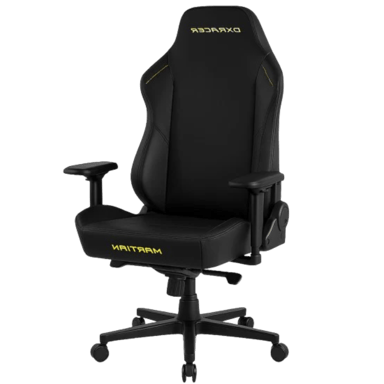
DXRacer Martian review: a futuristic gaming chair that leans hard into measurable comfort
The Martian is DXRacer's bold entry for 2025, aimed at people who want a chair that looks like a cockpit and behaves like serious seating. Why it matters: In a category crowded with lookalikes, the Martian combines structural certifications, heating, and massage, and a robust aluminum base to stand out. Built for gamers and office dwellers, it promises day-long support without compromising adjustability or stability. According to its published data, this model prioritizes gaming-chair ergonomics and thoughtful features over flashy gimmicks, which is a reassuring starting point.
Who is it for? The spec sheet targets hybrid workers and streamers toggling between spreadsheets and boss fights. It is explicitly tuned for home, office, and gaming use with a reclining back and optional footrest to change posture across tasks. What stands out most is the company's choice to ship a heavy, aluminum-based build with Class 4 lift and multiple endurance ratings, which suggests durability before anything else. In short, this is a chair that tries to measure comfort in structural numbers as much as in plush surfaces.
On paper, The Martian is also contemporary. It's a 2025 release with two size variants, L and XL, a 275 lb capacity, and adjustable elements where they count. Users get a multi-function tilt, 4D armrests, a magnetic head pillow, and a heating and vibration module for the seat. The headline idea is comfort you can dial in, backed by endurance cycle claims and recognizable safety marks.
Detailed Specs & Features
Let's translate the raw sheet into practical value. The chair carries a 275 lb maximum capacity, which places it in the mainstream of performance gaming seating. That capacity aligns with its steel frame and aluminum base, and it should help reduce flex during long sessions. The recline moves from 90 to 135 degrees, and the seat height spans 17.7 to 22 inches, covering most desks without risers. Bottom line: the numbers point to stable everyday use rather than oversized, niche fit.
Back support is another measurable win. The Martian provides adjustable lumbar support using an S-curve profile shaped for spine alignment. Pair that with a memory-foam head cushion and cold-cure seat foam, and you get predictable pressure distribution across long sits. In ergonomic terms, cold-cure foam is prized for slow rebound and structural uniformity, which helps resist permanent indentations. According to specs, the Martian chooses materials known to hold form as the hours add up.
A multi-function mechanism with tension control and tilt lock handles movement and control. That mechanism, referenced here as multi-function tilt, lets you fine-tune rock and recline independently rather than being stuck with a single springy feel. The backrest reclines to 135 degrees, which is generous for quick resets and streamer breaks, especially if you deploy the integrated footrest. In real-world terms, this scheme encourages micro-moves that keep hips and lower back from locking up.
Upper-body fit depends heavily on arm geometry, and the Martian uses 4D armrests that adjust in height, width, depth, and rotation. While there's no dedicated lock for each axis, the range is enough to support elbows at the recommended 90 to 100 degrees relative to the desk. That helps maintain neutral wrists with keyboard and mouse, which reduces cumulative strain. The takeaway is adjustability that matches common desk heights and setups.
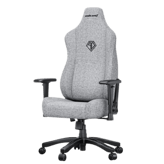
Surface feel is split between woven fabric and leatherette, both listed as the upholstery type options. Woven fabric generally breathes better; leatherette is easier to wipe down. Underneath, the seat uses cold-cure foam with a pressure-relief design, which should help distribute load when seated upright. According to its engineering choices, the chair balances cleanability with longer-term shape retention.
Finally, the trust markers. The Martian lists BIFMA, SGS, and TUV among its safety certifications, plus Class 4 gas lift and specific endurance counts for backrest and tilt mechanisms. For buyers, those labels mean the structural bits have been tested for cycles that exceed casual use. Add a two-year warranty period on a limited basis, and you get a clear envelope of reliability. Confidence comes from standards that most office furniture folks already know by name.
User Experience & Performance (Based on Specs)
Design & Build
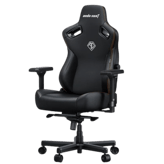
At 69 to 71.4 pounds, the Martian is substantial, and that mass pairs with an aluminum base and PU casters for stable rolling on typical floors. The five-star base and steel frame should minimize lateral wobble common in lighter chairs during armrest adjustments. The bucket shape cradles the torso without pinching at the shoulders, which helps when rotating toward a second monitor. Overall, the build reads as purposefully over-engineered for a chair in this price class.
Performance
Comfort expectations are set by the foam, the recline geometry, and the ability to tune tension. Pressure-relief foam plus S-curve lumbar indicates the chair will feel firm-supportive rather than plush, which many people prefer for typing sessions over three hours. The recline to 135 degrees with footrest encourages active breaks, offloading the spine for a few minutes between tasks. What makes this notable is the combination of an independent tilt lock and a measured recline ceiling that avoids the feeling of tipping.
Thermal & Surface Feel
Leatherette is easy to clean but can run warm; woven fabric breathes better but may snag on sharp desk edges. Ventilation design elements help, though there is no full mesh back. The heating module adds winter comfort, while vibration modes add short-term relief after static work. On the flip side, users in hot climates may still prefer the fabric variant for all-day sessions.
Controls & Adjustability
Height-adjust supports most desk setups at 17.7 to 22 inches, and the 4D arms make it feasible to maintain neutral elbows and wrists during typing and gaming. Tilt tension and lock let you set a controlled rock that resists slamming, especially useful on dual-monitor mounts where micro-movements are frequent. The magnetic head pillow simplifies placement without straps, which tends to keep the cervical curve supported. In daily use, these controls appear to aim for small, predictable adjustments rather than flashy extremes.
Extra Features
The integrated footrest is a practical add for recline breaks and casual controller sessions. Massage and heating features are rare at this certification level, and while they are not medical devices, they deliver quick comfort wins. Accessory compatibility via bolt-on or clip-on mounts means you can expand later with add-ons without buying a new chair. Net effect: the extras look thoughtfully chosen instead of bolted on for marketing.
Pros & Cons
Pros
- Strong structural story with an aluminum base, a steel frame, and recognized safety certifications.
- Multi-function tilt with tension control and 135° recline supports micro-movement and rest breaks.
- 4D armrests and adjustable lumbar support enable ergonomic alignment for work and play.
- Cold-cure foam, memory head pillow, and footrest combine for long-session comfort.
- Heating and vibration are thoughtful quality-of-life features at this tier.
Cons
- 275 lb capacity excludes some big-and-tall users who may need a heavier-duty model.
- The leatherette variant can feel warm during summer; no full mesh option.
- Armrests lack mechanical locking for each axis so that settings can be nudged.
- The chair's weight of nearly 70 lb makes upstairs moves and frequent rearrangements harder.
Price & Value for Money
The Martian lists at $699, placing it among premium gaming chairs that emphasize structure and adjustability over pure aesthetics. For transparency, here is the retailer reference: $699 at DXRacer.com. Given its recognized certifications and two-year warranty, the pricing aligns with comparable office-grade builds that offer fewer entertainment features. If you value a sturdy frame, 4D arms, and controlled recline plus heating and vibration, the cost has a clear rationale.
Context matters, though. Some office chairs at similar prices offer mesh backs and broader capacity ranges, while many gaming chairs at lower prices skip the endurance metrics and structured tilt. The Martian's value comes from pairing comfort features with the test data that underwrites them. If your priorities include reliable adjustability and certified components, the spend looks reasonable. Advice: choose the woven fabric if you live in a hot climate and plan to sit for 8-plus hours.
Quick Take
In short, the Martian blends a stable chassis with ergonomic must-haves and a couple of thoughtful luxuries. If we look at the numbers alone, a certified frame, multi-function tilt, and a measured 135° recline promise predictable posture support, net judgment: not just flash, but function backed by stated test cycles and a clear warranty.
Closing Recommendation
This chair appears to perform best for users between petite and big-and-tall extremes who want a supportive, tunable seat that transitions from work to play. It may be ideal for streamers, hybrid office workers, and gamers who prize endurance marks and consistent feel over ultra-plush softness. The data-driven case is straightforward: if you want certified structure, adjustable lumbar, and 4D arms with heating and vibration, the Martian should be high on your list.
Verdict
Rating: Based on the specifications and overall feature set, we believe DXRacer Martian deserves 4.5 out of 5.
- Winner Feature => Multi-function tilt plus 4D armrests deliver measurable ergonomic control for work and gaming.
- Needs Improvement => Capacity tops at 275 lb, and leatherette can run warm without a full-mesh option.
Reviews 0
The good, the bad, and the brutally honest.Average Rating


More Ergonomic Chairs 363
Unlock more awesome finds.